Art journaling is one of the easiest and most healing ways to start creating, even if you think you’re “not artistic.”
In this complete beginner guide, you’ll learn everything you need to start an art journal with confidence, including simple supplies, step-by-step techniques, and tips to overcome fear and perfectionism.
Whether you want to relax, express emotions, rediscover creativity, or build a daily creative habit, art journaling offers a safe space where there are no rules, simply exploration.
By the end of this guide, you’ll feel ready to open a page and begin.
research shows creative journaling can reduce stress” check the American Art Therapy Association for more info
Your art journal is that place. It’s a simple notebook where you can blend:
A soft watercolor wash that feels like a sunset
A line from your favorite love song
A pressed flower from a morning walk
A doodle that makes your heart smile
There are no mistakes here. Only beauty in the imperfect.
Art journaling is a personal creative practice that combines visual art with written thought in a journal format. Unlike a sketchbook (which often focuses on practice and skill), art journals focus on expression and exploration through:
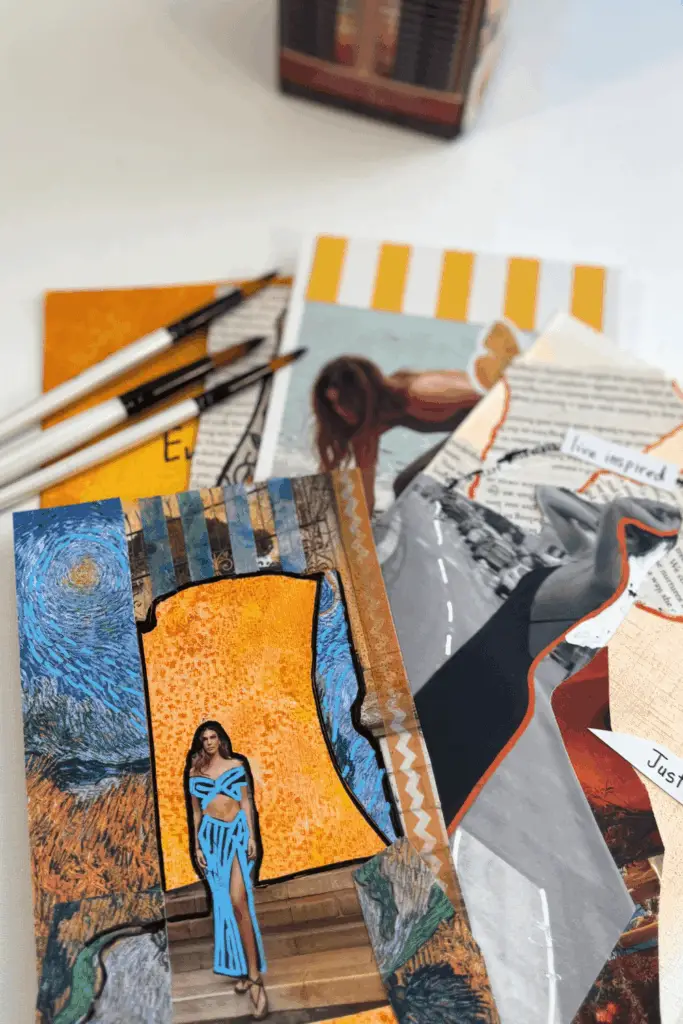
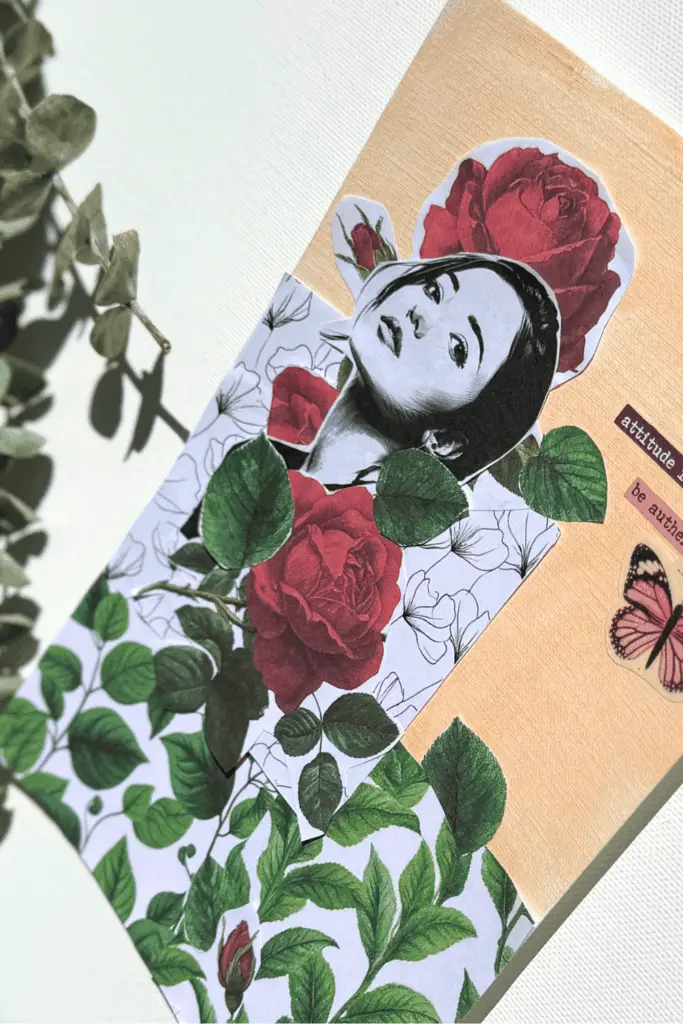
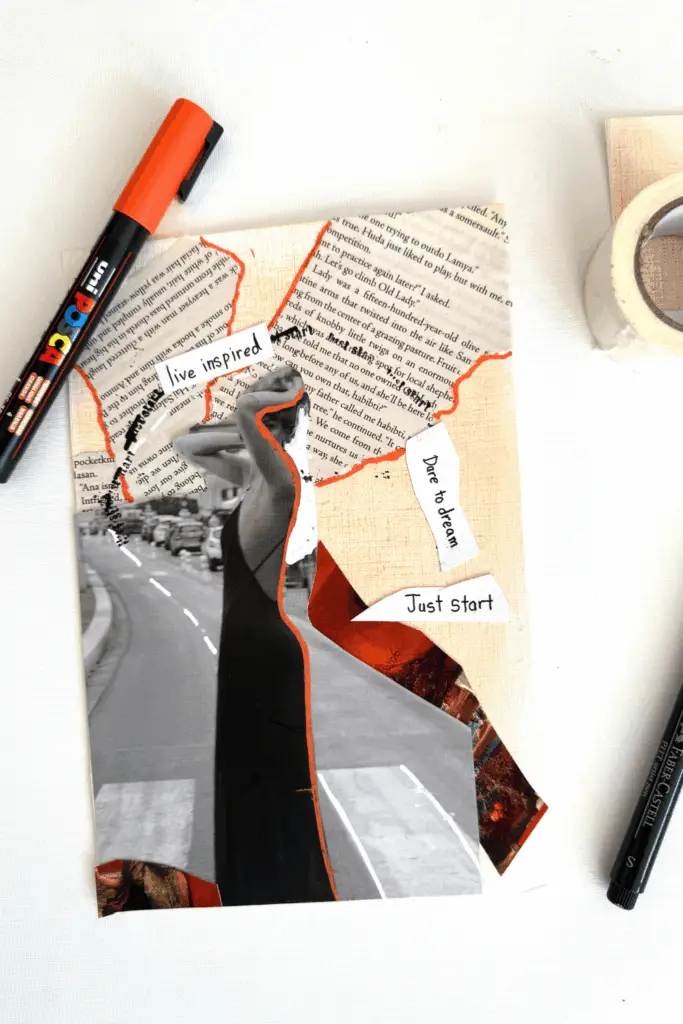
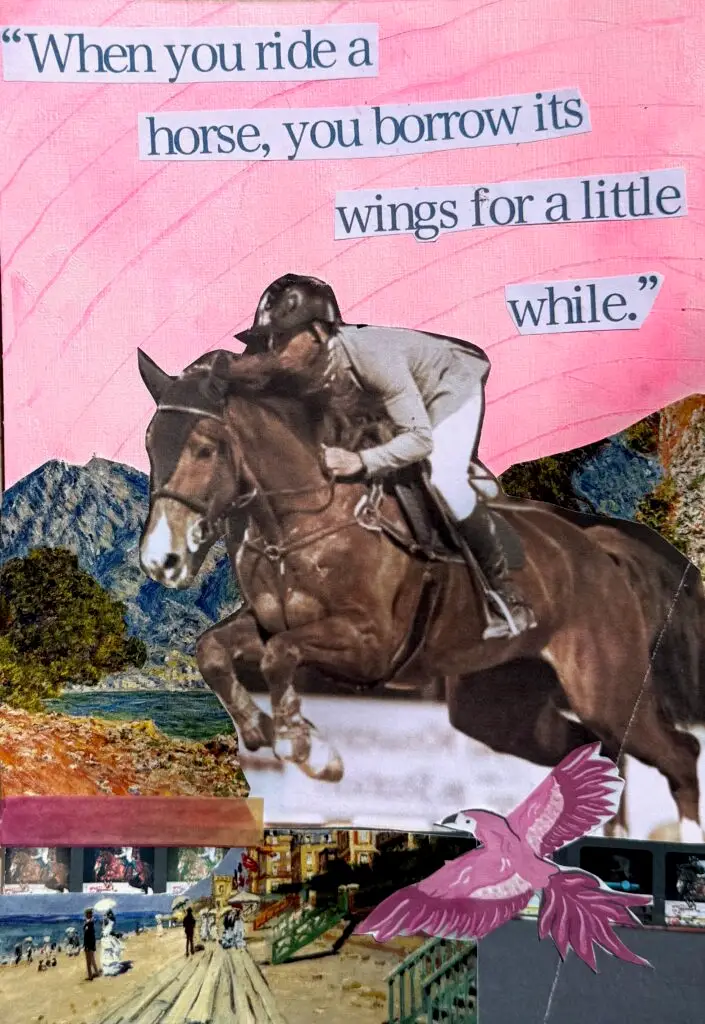
Paint and collage
Pen and ink
Mixed media and textures
Words and visuals side by side
You don’t need perfect drawing skills.
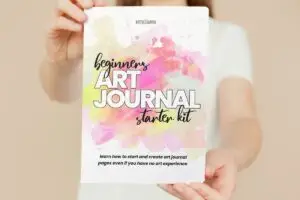
To help you begin your art journaling journey with confidence, we’ve created a comprehensive free Art Journal Starter Kit filled with everything you need:
Do you remember the joy of putting color to paper as a child? The sheer delight of a crayon in your hand, with no goal but to play?
That feeling is waiting for you again.
Your journal is private place to create what feels right.
Small pages and short sessions make it easy to experiment and improve.
👉 “Studies show creative activities support emotional wellbeing” check this article by Harvard Health Publishing article on creativity and wellbeing
https://www.health.harvard.edu
Art journaling helps with emotional expression, reflection, and processing.
You can start with minimal tools with no fancy supplies needed.
As an Amazon Associate, I earn from qualifying purchases. This means that if you click on certain links on this site and make a purchase, I may receive a small commission — at no extra cost to you. I only recommend products I truly love or use myself. Thank you!
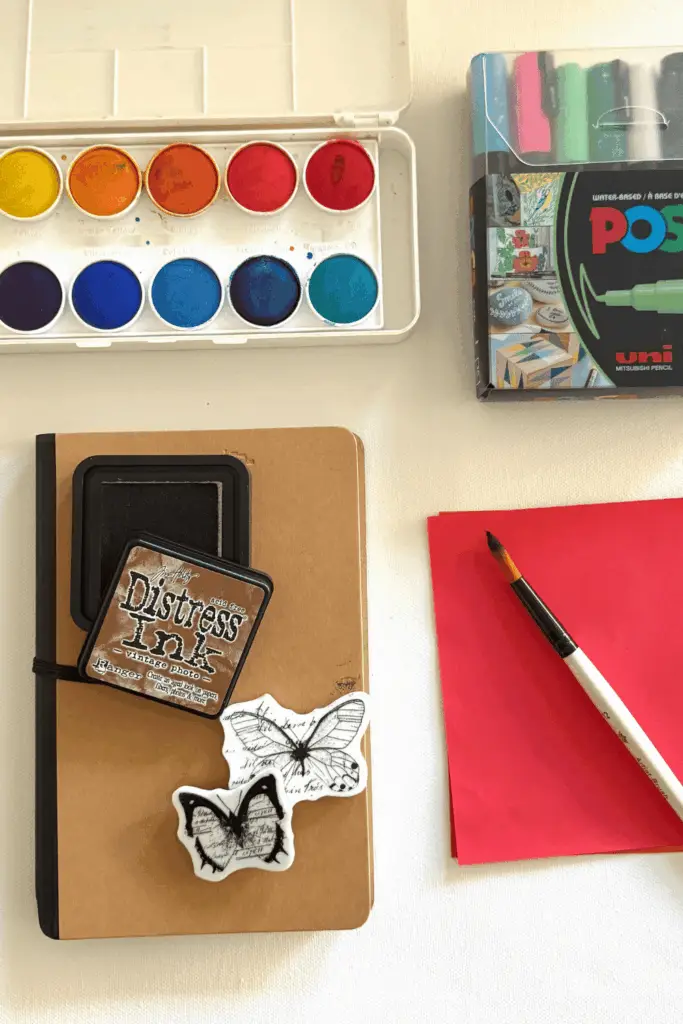
1. A Journal or Sketchbook – Choose one with mixed media or watercolor paper (at least 140 lb/300 gsm) if you plan to use wet media. A simple hardbound sketchbook works perfectly for beginners starting art journaling.
👉 “learn why paper weight matters for mixed media” Strathmore paper guide
https://www.strathmoreartist.com
Additional materials to consider:
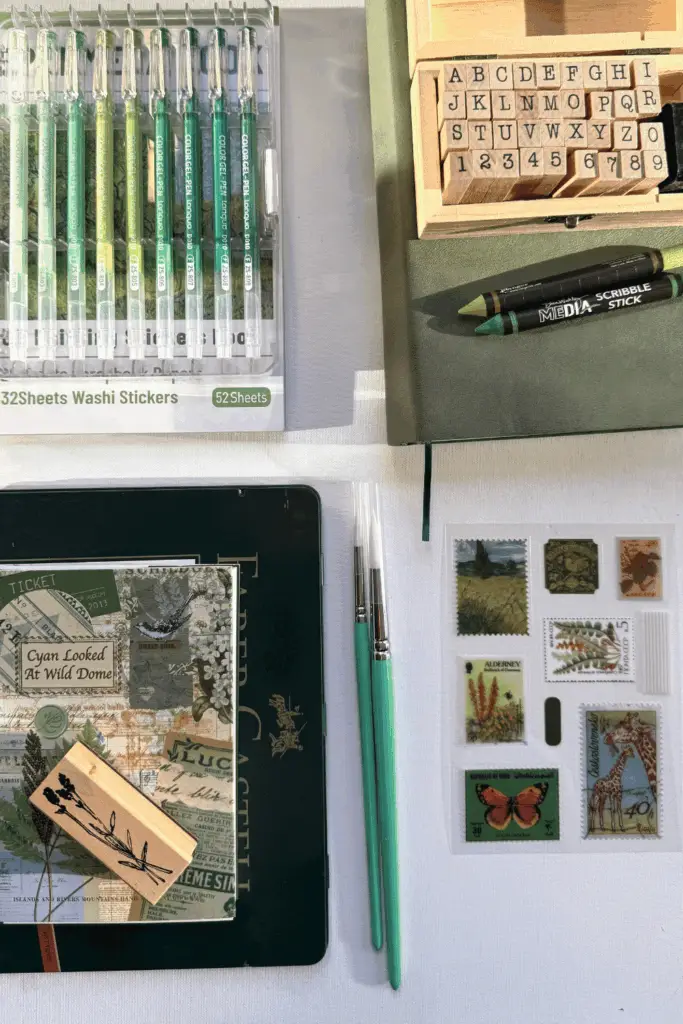
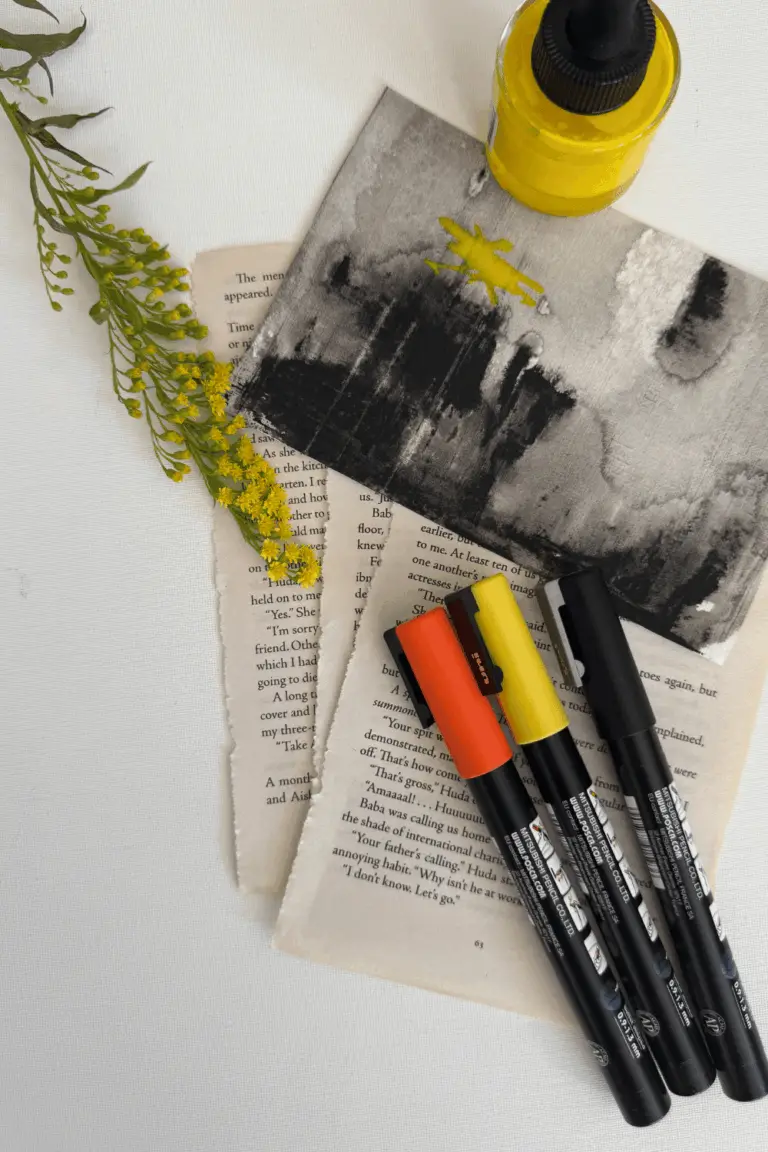
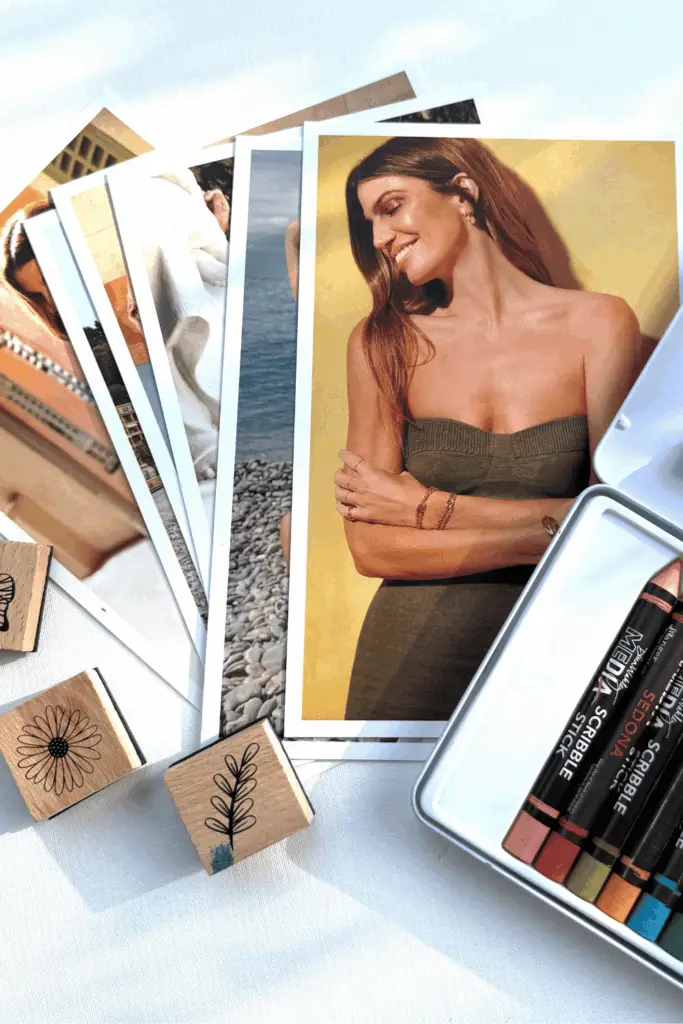
Magazines, photos, books, or loose paper as base for journaling Paper and other collage elements White gel pen for highlights Washi tape for decorative borders
That’s it! You can always add more art journaling supplies later, but these basics will carry you through hundreds of pages.
Want a complete supply checklist? Download our free Art Journal Starter Kit with printable shopping lists and beginner recommendations.
Ready to dive in? Here’s a simple process that removes the intimidation and gets you creating right away. This step-by-step art journaling tutorial is perfect for absolute beginners.
Starting with a blank page can feel overwhelming. Give yourself direction by choosing a simple theme:
Your Favorite season ( spring, winter, Fall, Nature)
A quote that speaks to you you can also check this post 31 Inspirational Painting Quotes By Famous Artists
Starting with a background layer removes the fear of the blank page and gives you a foundation to build on.
Watercolor wash: Wet your page and drop in watercolor, letting colors blend naturally.
Acrylic layer: Use a wide brush to sweep acrylic paint across the page.
Collage base: Glue down torn magazine pages or tissue paper.
Marker blending: Color with markers and blend with a damp brush
Check this post for fast and easy ways to start your art journal
3 Fast And Easy Mixed Media Background Ideas For Art Journaling
Let your background dry completely before moving to the next step.
This is where your theme comes to life. Your main element could be:
A simple drawing (flowers, faces, doodles, patterns)
A collaged image from a magazine (Best Magazines For Collage – Guide For Beginners)
A stamped or stenciled design
Hand-lettered words or quotes
Abstract shapes and marks
Now add depth and interest by layering additional elements:
Doodles and patterns around the edges
Words or phrases that relate to your theme
Additional collage pieces
Splashes of paint or ink
Highlights with white gel pen or paint
There’s no right amount of layering just keep going until your page feels complete to you.
Before you close your journal, pause for one minute.
Take a deep breath, and smile. You did it. You turned a blank page into a keepsake for your sou
1. Your mood in color
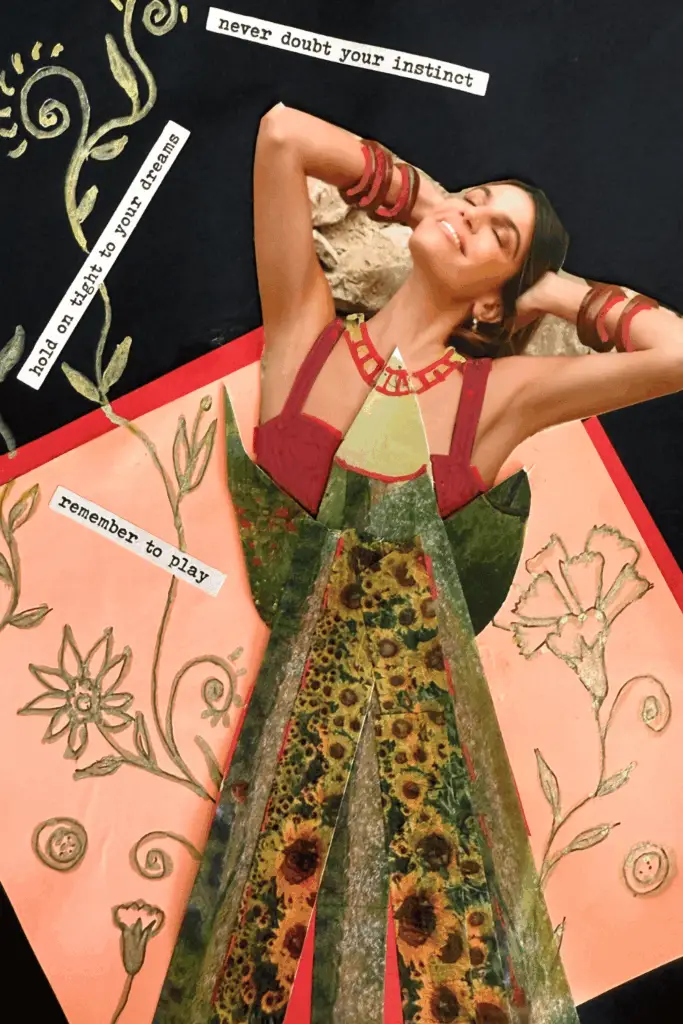
2. Collage with meaningful words
3. A gratitude page
4. A doodle pattern
5. A monochromatic layout
6. A favorite quote page
7. A flower watercolor background
8. A travel memory spread
9. A textured abstract page
10. A simple self-portrait
11. Color exploration with palette swatches. 👉 “understand basic color theory” Canva color theory guide
12. A pattern challenge page
13. A black + white contrast page
14. A word of the week spread
15. A theme-based playlist art page
Dry brush texture
Stamping over paint
Layered collage
Palette knife effects
Scribble + paint
Gel medium image transfers
These give your pages depth and variety.
Waiting for Inspiration
Start messy. Spark happens in action.
Buying Too Many Supplies
Creativity grows from constraint.
Comparing Yourself to Others
Your journal is personal, it is not a competition.
Giving Up Too Soon
Consistency beats intensity.
Once you’ve created 5-10 pages and feel comfortable with the basics, you can:
Explore new techniques: Try stamping, stenciling, or image transfers
Develop themes: Create a series of pages around a single concept
Add depth: Learn basic color theory or composition principles
Join a community: Share your work and get inspired by other art journalers
Take a structured course: Deepen your skills with guided instruction.
A sketchbook focuses on illustration and skill such as drawing or shading.
On the other hand, art journal mixes visuals with words, emotion, and intention.
Can I start art journaling if I can’t draw?
Absolutely! Art journaling for beginners doesn’t require drawing skills. You can use collage, stamps, stencils, abstract marks, and simple shapes instead. Many successful art journalers rarely draw realistic images.
What are the best art journals for beginners?
Look for journals with mixed media or watercolor paper (at least 140 lb/300 gsm) that can handle wet media. Hardbound sketchbooks work well for beginners. Popular brands include Strathmore, Canson, and Arteza.
How often should I art journal?
There’s no “should” art journal as often as feels right for you. Many beginners find success with 2-3 short sessions per week. Consistency matters more than frequency when building a sustainable practice.
Can art journaling help with stress and anxiety?
Yes! Many people find that art journaling reduces stress and anxiety by providing a creative outlet for processing emotions. The meditative nature of layering colors and textures can be deeply calming.
Do I need to show my art journal to anyone?
No! Your art journal is completely private unless you choose to share it. Many art journalers keep their journals entirely to themselves, while others enjoy sharing pages with supportive communities. You can join our friendly Facebook Group or #artfulhaven for instagram
If you are new, welcome. Your first mark is a beautiful beginning. If you have an old journal tucked away on a shelf, welcome back. Its pages have been waiting for you without judgment.
Remember, every seasoned art journaler once stood where you are now, feeling the quiet mix of excitement and uncertainty. They began, and so can you.
Let this be your gentle nudge to begin again, or for the very first time. Pick up your journal, find a prompt that whispers to you, and let your heart guide your hand.
👉 Explore mixed media techniques
👉 Download beginner prompts + printable sheets
👉 Join our Art Journal Recipe Course
To help you begin your art journaling journey with confidence, we’ve created a comprehensive free Art Journal Starter Kit filled with everything you need: